


Space Saving
By reducing waste volume, the incinerator significantly reduces the need for landfilling.

Hygienic Waste Disposal
Medical waste incineration ensures safe and hygienic disposal of waste, especially in the healthcare sector.

Long-Term Economic Benefit
Although the cost of a waste incineration plant is high initially, it provides profitability in the long run thanks to energy recovery and waste reduction.

Sustainable Waste Management
Waste incineration contributes to the preservation of natural resources by providing an environmentally friendly solution.

Incineration of Sewage Sludge
The sludge incineration plant ensures safe and efficient disposal of sewage sludge.

Safe Disposal of Medical and Hazardous Waste
Medical waste incineration plant and hazardous waste incineration plant ensure the safe disposal of such waste.

Emission Control
Waste incineration systems minimize the release of harmful gases into the environment with advanced emission control technologies.

Energy Recovery
The waste incineration and energy production facility provides energy efficiency by converting the heat released during the incineration process into electricity generation or thermal energy.

Reduction of Waste Volume
The solid waste incineration plant reduces waste volume by up to 90%, enabling more efficient use of landfills.

MT Makina and Waste Incineration Technologies: Sustainable Waste Management and Incineration Solutions
Modern waste management requires not only the collection of waste, but also its disposal and recycling in the most efficient way without harming the environment. As a leading manufacturer in the sector, MT Makina establishes sustainable infrastructures both domestically and globally with its advanced technology solutions in waste incineration and waste pretreatment systems. You can examine how waste incineration plants work, their environmental advantages, and MT Makina's expertise and integrated machinery solutions in this field.
What is a Waste Incineration Plant (Incinerator)?
Waste incineration plants are state-of-the-art facilities where domestic, medical, industrial, or animal waste is disposed of by controlled burning at high temperatures. Completely different from traditional "garbage incineration," these modern systems are equipped with filtration and automation technologies that comply with international environmental standards.
How does the waste incineration process work with MT Machine Systems?
The efficient operation of a waste incineration plant requires a flawless system of machinery, from the preparatory stages before the combustion furnace to flue gas treatment.
-
Pre-preparation and Shredding: For efficient combustion, it is essential to reduce waste to a homogeneous size. MT Makina's advanced industrial shredder systems and mobile crushing lines maximize furnace efficiency by reducing waste to ideal sizes before it enters the incineration unit.
-
Combustion Chamber (Incinerator): Waste is burned in furnaces at high temperatures (850°C - 1000°C). This process ensures that hazardous pathogens, medical waste, or organic tissues are completely reduced to ash.
-
Flue Gas Treatment System: Gases produced as a result of combustion are passed through advanced filtration systems to ensure full compliance with environmental regulations. Harmful emissions and acid gases are neutralized, releasing only clean steam into the atmosphere.
-
Ash Management: At the end of the process, the volume of waste is reduced by 90% and its mass by 70%. The remaining sterile ash can be safely disposed of or used as a filler material in different industries.
MT Makina's Waste Incineration and Disposal Solutions
Designing customized systems with special capabilities for the specific needs of various industries and municipalities, as well as large-scale facilities, requires expertise. MT Makina has the capacity to design and manufacture systems in the following areas:
-
Animal Carcass Incinerators: These incinerators are specifically designed to eliminate the risk of infectious diseases and ensure biosecurity. Highly insulated and fully automated incineration systems are manufactured for cattle farms, slaughterhouses, or regional disposal facilities (e.g., specific projects with a capacity of 1 head of cattle per day, international facility installations such as in Marrakech, Morocco).
-
Medical and Hazardous Waste Incinerators: These are compact and safe systems that enable the disposal of infected waste from hospitals and healthcare facilities at the source or in central facilities without leaving any biological risk.
-
Integrated Waste Preparation Lines: Not just incineration plants; end-to-end solutions are offered with industrial rendering pre-processing lines with a capacity of 4-5 tons/hour for processing organic waste (leather, offal, etc.), two-stage crushing systems, and waste storage units.
Environmental and Business Benefits of the Facility
Waste incineration and shredding facilities established or supported by MT Makina provide the following advantages to businesses and municipalities:
-
Maximum Volume Reduction: Minimizes landfill costs and space requirements by reducing the amount of waste going to landfills by 90%.
-
Biosecurity and Hygiene: The disposal of animal and medical waste at high temperatures, in particular, definitively prevents groundwater contamination and the spread of infectious diseases.
-
Compliance with the Zero Waste Goal: Disposing of non-recyclable waste without harming the environment is the most important step in modern zero waste and sustainability policies.
Waste management, with the right machinery and engineering choices, transforms from a problem into a manageable process. MT Makina continues to produce innovative and robust solutions in waste disposal, from high-performance shredder technologies to specific incinerator projects meeting international standards. You can contact our expert engineering team for the most suitable waste preparation and incineration technologies for your needs.
High-Temperature Waste Disposal in Solid Waste Incineration Plants
MT Makina Solid Waste Incineration and Preparation Systems: Sustainable Disposal and Integrated Recycling

Increasing industrial production and urbanization are creating a massive need for waste management worldwide. In today's world, where traditional storage methods are insufficient, MT Makina is at the heart of sustainable waste management with its innovative waste disposal systems and powerful machinery fleet. Its wide range of products, from pre-combustion waste preparation lines to internationally standardized incinerators, ensures the most efficient implementation of modern projects. You can examine how waste incineration systems supported by MT Makina technologies work and their integration with recycling processes.
Reducing Volume and Maximizing Energy Efficiency
The biggest advantage of a waste disposal system is that it saves physical space and increases incineration efficiency. A solid waste incineration plant established or supported by MT Makina technologies reduces the volume of waste by up to 90%, enabling much more efficient use of waste storage areas.
For the combustion process to function flawlessly, it is essential that waste is reduced to ideal sizes before entering the furnace. MT Makina's mobile crushing systems, capable of reaching 15 tons/hour capacity, and versatile shredders guarantee the uninterrupted operation of the furnace feeding units. Waste shredded to ideal sizes burns much more efficiently in a waste incineration plant, and the heat released is recovered and converted into electricity or thermal energy. This transforms the project from a mere disposal center into a profitable waste incineration and energy production facility.
Safe and Customized Disposal of Sensitive Waste
Beyond household waste, MT Makina offers targeted engineering solutions for specific waste groups that pose a direct threat to nature and biosecurity:
-
Medical Waste Incineration Plant and Hazardous Waste Incineration Plant Solutions: These solutions protect the environment and human health by ensuring the safe disposal of infectious and toxic waste from hospitals or industrial facilities at high temperatures.
-
Animal Waste and Carcass Incineration Furnaces: MT Makina produces specialized carcass incinerators with a large animal capacity that eliminate the risk of epidemic diseases at the source, and customized systems for projects requiring biosecurity (e.g., regional or international slaughterhouse/shelter projects). It also offers industrial rendering pre-treatment lines with a capacity of 4-5 tons/hour and two-stage crushing systems that reduce organic tissues to 2 mm.
-
Sludge Incineration Plant: Burning the dense sludge or treatment sludge remaining from municipal wastewater treatment processes plays a significant role in waste management by offering environmentally friendly disposal methods that eliminate biological risks.
The Importance of Advanced Emission Control and Prevention Technology
Modern waste incineration systems are equipped with advanced emission control technologies, minimizing the release of harmful gases. However, it should be noted that some wastes can negatively affect the combustion process during solid waste incineration; therefore, certain types of waste are not directly suitable for incineration. This is where MT Makina's Falcon series (e.g., Falcon-140) four-shaft shredder systems come into play. Pre-separating non-combustible or hazardous materials that could damage the furnace and feeding only the most suitable materials into the furnace is the key to keeping emission levels within legal limits.
Return on Investment and Recycling Integration
While the initial cost of a waste incineration plant may seem high when calculating the feasibility of a project, MT Makina's robust infrastructure provides significant long-term economic benefits through energy efficiency and waste reduction advantages. Waste management is not done with a single machine, but with a whole system. MT Makina's mobile trommel composting screen systems and crushing lines are designed to work in full integration with waste recycling and processing plants. By separating non-combustible materials, these facilities directly contribute to the conservation of natural resources, thus offering environmental sustainability. Regional recycling factories maximize their efficiency by utilizing the energy recovered from these integrated facilities. With its strong engineering infrastructure and turnkey waste preparation and incineration technologies, MT Makina is the most reliable industrial solution partner for your environmentally friendly projects.
Solid Waste Incineration Plant Performance and Efficiency

Reduction of Waste Volume
The solid waste incineration plant reduces waste volume by up to 90%, enabling more efficient use of landfills.

Energy Recovery
The waste incineration and energy production facility provides energy efficiency by converting the heat released during the incineration process into electricity generation or thermal energy.
.webp)
Emission Control
Waste incineration systems minimize the release of harmful gases into the environment with advanced emission control technologies.
.webp)
Space Saving
By reducing waste volume, the incinerator significantly reduces the need for landfills.

Sustainable success in waste disposal projects is achieved not only through the construction of incinerators, but also through the right machinery infrastructure and complete operational management from start to finish. MT Makina, a leading manufacturer in the sector, guides waste management by producing industrial shredding, pre-treatment lines, and advanced incinerator technologies necessary for solid waste incineration plants to operate at maximum efficiency.
1. The Secret to Oven Performance: Flawless Preparation and Waste Management
Regardless of a facility's projected capacity on paper, the homogeneity of the material entering the incinerator directly determines the combustion quality. The suitability of the materials to be processed for the incinerator is at the heart of efficient operation. A waste incineration plant processing standard household waste has completely different dynamics than a medical waste incineration plant or animal waste systems requiring biosafety. Not all waste can be directly thrown into the incinerator; materials of unsuitable sizes or those that disrupt the incinerator's temperature balance lead to emission problems.
MT Makina installs integrated pre-kiln crushing systems to solve these problems at their source. Thanks to mobile crushing lines with capacities reaching 15 tons per hour and powerful four-shaft shredder systems like the Falcon-140 that overcome industrial challenges, waste is reduced to the ideal and combustible size for the kiln. Specific pre-preparation systems with capacities of 4-5 tons/hour, which enable the reduction of particularly difficult organic tissues and industrial waste to very fine sizes such as 2 mm, maximize combustion efficiency in kilns and reduce the risk of incomplete combustion to zero.
2. Durable Equipment and Regular Maintenance for Uninterrupted Operation
High-temperature facilities operating 24/7 are among the industrial areas most susceptible to mechanical fatigue. MT Makina's engineering vision is based on producing heavy-duty waste incineration systems and shredders suitable for continuous operation. However, even the most robust systems require monitoring and maintenance protocols to maintain their efficiency. Regular maintenance of the refractory structure within incineration furnaces, the feed screws, and the rotor/blade mechanisms in the crushing lines is critically important. Sludge incineration plants that handle demanding processes such as the incineration of high-moisture sewage sludge, or targeted carcass incinerators designed for a daily capacity of one large animal, require flawless feeding units that prevent clogging. The equipment designed by MT Makina minimizes operational downtime with its easy-to-maintain and mechanically fatigue-balancing structure.
3. Ensuring Environmental Safety: Emission Control
The sole condition for an incineration plant to be environmentally friendly is the cleanliness of its flue gas emissions. Emission control systems within the plant must function flawlessly to keep the release of harmful gases below legal standards. Hazardous waste and animal waste incinerators designed by MT Makina are fully compatible with modern emission filtration infrastructures. In sensitive projects like hazardous waste incineration plants, the quality of gases released into the air depends on the correct separation of the material fed into the furnace. MT Makina's significant technological contribution to emission safety lies in the removal of non-combustible and harmful materials before they enter the system during the screening and crushing stages.
4. Balance between Cost, Energy Production, and Long-Term Benefits
From the perspective of investors and municipalities, the cost of an integrated waste incineration plant can require a significant budget during the initial setup phase. However, these plants, equipped with robust crushing, screening, and precise incineration technologies, are not merely disposal sites but profitable modern energy plants. When designed as waste incineration and energy production facilities, the energy generated from the solid waste incineration process amortizes the plant's cost. When MT Makina's superior machine durability, low failure rate, and maximum furnace feeding efficiency are combined, environmental protection goals quickly transform into a profitable economic model and a true success in environmental sustainability.
Operational Excellence in Waste Incineration Plants with MT Makina: Preparation, System Maintenance and Emission Safety
.webp)
Waste Incineration Plant
Technical Specifications
Standard Technical Specifications
-
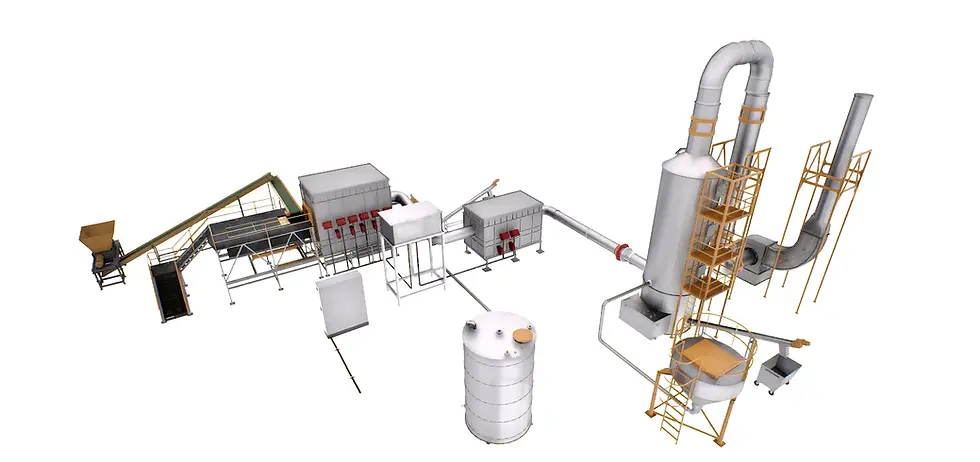
Double Combustion Chamber System: In the first chamber, the waste is completely reduced to ash; in the second chamber, the resulting harmful gases and volatile particles are thermally eliminated by holding them at a minimum temperature of 850°C for at least 2 seconds.
-
Superior Thermal Insulation: High-quality ceramic fiber coating and refractory brick application that minimizes heat loss and is resistant to harsh temperatures of 1000°C and above.
-
Heavy-Duty Steel Casing: Durable exterior construction maximally reinforced to withstand harsh industrial environments and expansion caused by high temperatures.
-
Intelligent Automation and PLC Management: Advanced PLC control systems with easy-to-use touchscreen (HMI) support that automatically optimize fan speeds, combustion temperatures, and burner functions.
-
Complete Sealing and Negative Pressure: An integrated vacuum system that definitively prevents the escape of smoke, odor, and toxic gases into the environment during the combustion process or when the lid is opened.
-
Global Safety Equipment (CE Certified): Integrated protection switches, emergency stop buttons, and overpressure and temperature sensors for maximum operator safety.
Facility Types and Key Features
-
Animal Waste (Carcass) Incinerator: Features a double combustion chamber architecture meeting biosafety standards, a capacity to incinerate one large animal per day, absolute sterilization against epidemic risks, and a heavy-duty discharge grate.
-
Medical Waste Disposal Facility: A specially designed feeding module for laboratory and hospital waste, ensuring the complete elimination of infectious materials at temperatures between 850°C and 1000°C with zero biological risk.
-
Hazardous Industrial Waste Furnace: Safe disposal of toxic and chemical waste by breaking it down at the molecular level, featuring special alloy corrosion-resistant interior surfaces and specially calibrated burners for challenging materials.
-
Energy Recovery Solid Waste Facility (WtE): Up to 90% volumetric reduction in waste mass, moving grate infrastructure, continuous automated feeding system, and electricity/steam generation from combustion heat.
-
Sewage Sludge Incinerator: Specifically engineered to prevent in-kiln blockages, seamless drying-incineration integration for moist sewage sludge, and an environmentally friendly system that prevents odor/contamination.
Optional Features
-
Advanced Flue Gas and Emission Filtration: Activated carbon units, bag filters, cyclones, and wet scrubber systems can be integrated into the system to meet global environmental standards.
-
Fully Automatic Waste Feeding Modules: Piston-type (ram feeder) pushers and hydraulic lift mechanisms that provide dosage adjustment and safe loading without requiring operator intervention.
-
Heat Recovery (Heat Exchanger) Unit: Efficient heat exchanger boilers that utilize the waste-to-energy principle, harnessing the energy of discarded hot flue gas to provide steam or hot water to the facility.
-
Automated Ash Removal System: Conveyor lines and water-cooled screw conveyors discharge the ash accumulated when the combustion cycle is complete, without the need for human intervention.
-
SCADA and Remote Control Infrastructure: A telemetry network that allows remote monitoring of facility fault notifications, real-time temperature conditions, and overall performance data via the internet.
-
Mobile and Container Design: Portable chassis and container models with "Plug & Play" features designed for locations where permanent construction is difficult, such as military areas, construction sites, or hospitals.

Solid Waste Incineration Plant Video
In the video gallery of our solid waste incineration plant, you can closely observe all the technical details, including the high-temperature incineration process, automated feeding systems, energy recovery, flue gas treatment, and emission control. Visually discover our environmentally friendly and sustainable waste disposal solutions. Check out our videos to examine our technology and capacity.


